Airsoft is more than just a game – it’s a thrilling hobby and sport that blends strategy, teamwork, and the love of realistic gear. Whether you’re a newcomer curious about those replica guns or a veteran player looking to brush up on knowledge, this comprehensive guide has something for you. We’ll dive into airsoft’s origins, the different types of airsoft guns, top recommended replicas and brands, essential protective gear and accessories, gameplay strategies, legal regulations around the world, maintenance tips, common terminology, and the vibrant community and culture that makes airsoft special. By the end, you’ll have an in-depth understanding of what airsoft is all about – and hopefully be even more excited to get out to the field.
The History and Origins of Airsoft
Airsoft traces its roots back to Japan in the early 1970s, born from a need to enjoy shooting sports under strict gun control laws. In post-war Japan it was (and still is) illegal for civilians to own real firearms. Ichiro Nagata, often dubbed the “godfather of airsoft,” came up with the idea of creating realistic-looking guns that didn’t shoot lethal projectiles
The first airsoft guns were spring-powered “soft air guns”, a term referring to the usage of a compressed Freon-silicone oil mixture (later replaced by propane-silicone “green gas”) to propel plastic pellets
These 6mm plastic BBs could be shot at targets – and eventually at other players – without causing serious injury, which opened the door to friendly wargames in Japan (locally called “survival games”)
Throughout the late 1970s and 1980s, airsoft technology and interest grew. Innovators like Tanio Kobayashi and companies such as Tokyo Marui advanced the designs. By the 1980s, airsoft guns had spread to other parts of Asia (Hong Kong, Taiwan, South Korea, the Philippines) – not coincidentally, places with strict firearm laws where replicas filled a recreational void
Airsoft crossed over to the West in the late 1980s. The UK saw kits by companies like LS that let enthusiasts assemble their own spring-powered replicas.
By the early 1990s, automatic electric guns (AEGs) invented by Tokyo Marui brought airsoft to a new level, enabling semi- and full-auto fire through battery power. This innovation helped popularize airsoft in North America and Europe in the 1990s
Since then, airsoft has become a global phenomenon. Replica airsoft guns are now produced worldwide (with many manufacturers in Asia and Europe)
The sport’s popularity exploded in the 2000s with the rise of the internet and online communities, allowing players around the world to share their passion
Airsoft is not only a hobbyist sport but also a training tool – many military and law enforcement agencies use airsoft guns for force-on-force training because they are far safer and cheaper than real firearms for simulation
What started as a niche solution in Japan for gun enthusiasts has evolved into a worldwide community built around tactics, honor, and camaraderie.
Types of Airsoft Guns
One of the first things a new player discovers is that “airsoft gun” can mean a lot of different mechanisms. Airsoft guns may all shoot plastic BBs, but they do so using various power systems: spring-power, battery-power, gas, or high-pressure air. Each type has its own strengths and weaknesses. Here we break down the primary categories of airsoft guns – spring-powered (bolt actions and pump shotguns), Automatic Electric Guns (AEGs), Gas Blowback Guns (GBBs/GBBRs), and High-Pressure Air (HPA) systems – along with their advantages and disadvantages
Spring-Powered Guns (Bolt-Action Snipers & Pump Shotguns)
Spring-powered airsoft guns are manually cocked for each shot. This category includes most bolt-action sniper rifles and pump-action shotguns. To fire, you must pull back a bolt or pump a fore-end, which compresses a spring; pulling the trigger then releases the spring to propel the BB. Because of this manual operation, spring guns generally only shoot once per cocking action (no semi or full-auto fire here).
Bolt-action sniper rifles, in particular, are popular for players who want long-range precision. Since each shot is carefully chambered, these rifles often achieve higher muzzle velocity and accuracy than their automatic counterparts
Advantages of bolt snipers include excellent accuracy and power – the meticulous design and lack of automatic cycling means they can be very consistent and have fewer moving parts to maintain
They are also quite reliable for the same reason (less to go wrong internally)
On the downside, the disadvantages are the slow rate of fire (working that bolt for every shot means you can’t lay down rapid fire) and a steep learning curve – being effective with a sniper rifle demands patience, stealth, and good shot placement
Many sniper rifle users invest heavily in upgrades (stronger springs, precision barrels, better hop-up units) to reach top performance, which can be costly.
Pump-action airsoft shotguns operate similarly by using muscle-power to chamber shots. These are typically spring-powered as well, and often fire a spread of 3 BBs at once to simulate buckshot. Advantages of pump shotguns include simplicity and affordability – they’re straightforward to use and generally cheaper than automatic guns. The pump action adds a nice touch of realism and they shine in close-quarters games (like indoor fields or “CQB” arenas) where engagement distances are short. The disadvantages mirror those of other springers: limited range and a slow rate of fire due to manual operation. Shotguns usually hold fewer rounds, so you’ll be reloading frequently. Still, nothing quite matches the immersive feel of racking a shotgun before breaching a room!
Automatic Electric Guns (AEGs)
AEGs are the most common type of airsoft gun on the field and are often recommended as the best choice for beginners. An AEG uses a battery-powered motor to drive a gearbox that compresses a spring, allowing for semi-automatic or fully automatic firing with each trigger pull. In practice, AEGs can fire as fast as you can pull the trigger (in semi) or send a continuous burst of BBs in full-auto until you release.
AEGs come in all shapes and sizes – from M4 and AK rifles to submachine guns and pistols – but they share similar internal mechanics. Advantages of AEGs include great versatility and ease of use. Since they’re battery powered, you get consistent performance shot-to-shot without worrying about gas or pumping. Most AEGs have select-fire capability, meaning you can switch between safe, semi, and full-auto as needed, which covers a wide range of play styles. They also tend to be quite consistent; as long as your battery is charged, the gun will shoot with uniform power and rate of fire, unaffected by weather or temperature. Another big plus is the huge variety of aftermarket parts and upgrades available – you can customize gearboxes, barrels, hop-ups, and more. Many players tinker with their AEG to improve performance or tailor the gun to their preferences.
However, AEGs do have some disadvantages. They rely on batteries, so you need to maintain your batteries and ensure they’re charged (a dying battery can make your gun sputter or stop mid-game). Internally, AEGs have complex gearboxes with many moving parts; this means they do require maintenance and can potentially wear out or break if not cared for. Repairing or upgrading an AEG gearbox can be complicated for the uninitiated. Additionally, the motor and battery add weight – an AEG might be a bit heavier than a comparable spring or gas gun because of these components. Despite these cons, the balance of moderate cost, reliability, and adaptability makes AEGs the go-to choice for most airsofters, especially when starting out. In fact, many fields’ rental guns are basic AEG rifles (often M4s or AKs) because they are affordable and easy to maintain for beginners.
Gas Blowback Guns (GBBs and GBBRs)
Gas Blowback guns use compressed gas as their power source. Common gas types are green gas (propane mixed with silicone oil) or CO₂ cartridges. When you pull the trigger, a small valve releases gas to propel the BB, and in a blowback design, some of that gas also cycles the gun’s action (blowing back the slide or bolt, hence the name). The result is a very realistic operation – the gun’s slide or bolt recoils, and it often locks open on an empty magazine just like a real firearm. Gas blowback guns include GBB pistols (extremely popular for sidearms) and GBBRs (Gas BlowBack Rifles), which are rifles or carbines powered by gas, offering an alternative to AEG rifles.
The big draw of gas blowbacks is realism. The cycling action provides recoil (albeit far softer than a real gun, but enough to feel) and an authentic feel for each shot. Many players love that satisfying kick and realistic manual of arms – for example, slapping the bolt release on a GBBR after reloading. GBBs also often have a more realistic field stripping and maintenance process, which can appeal to those who enjoy the mechanical aspect of guns. In fact, GBBRs tend to have simpler internal parts (no complex electric gearbox), so basic disassembly and part replacement can be more straightforward. Another advantage is power adjustability: by using different gas (e.g. CO₂ which is higher pressure, or adjusting valves), you can sometimes alter the velocity of the gun to suit different field limits.
However, gas guns come with their share of disadvantages. One major factor is temperature sensitivity. Gas pressure fluctuates with temperature, so a GBB that shoots great on a warm summer day might perform poorly in cold weather (the gas doesn’t expand as well, leading to low power, sluggish blowback, or failures to cycle). CO₂ can handle cold better than green gas, but CO₂ kicks harder on the gun and can wear parts faster. Another downside is that gas guns require a lot of maintenance – you must keep them clean and well-lubricated, especially the slide or bolt and the magazine O-rings, or you’ll get leaks and jams. Skipping maintenance on a GBB is a recipe for malfunctions. Gas magazines also typically hold fewer BBs than a high-capacity AEG mag (a GBB pistol mag might hold ~20 BBs, a rifle mag ~30), so you have limited shots and must carry more mags or reload frequently. Plus, gas itself is an ongoing cost – you need to buy green gas cans or CO₂ cartridges regularly.
In short, gas blowbacks are loved by those who seek an immersive, realistic airsoft experience. Feeling the slide kick and hearing the crack of a gas pistol can be incredibly fun. But new players are often cautioned: GBBRs are better suited for experienced players due to the added maintenance and cost, while most beginners stick to AEGs until they’re ready for the realism (and work) of gas guns.
High-Pressure Air (HPA) Systems
High-Pressure Air systems are a somewhat more specialized category in airsoft. HPA guns use an external air tank (like a paintball tank) filled with compressed air, connected to the gun via a hose, to provide the propellant for shooting BBs. The gun itself typically has a pneumatic engine or mechanism (often installed into what used to be an AEG gearbox or a purpose-built HPA gun) that releases a burst of air with each trigger pull. HPA has surged in popularity among tech-savvy and performance-focused players due to the exceptional consistency and tunability these systems offer.
Advantages of HPA setups are notable. Firstly, consistency: since regulated compressed air is very stable, HPA guns can achieve extremely steady FPS (velocity) and shot-to-shot consistency, which improves accuracy. They are largely unaffected by weather – unlike gas, the performance doesn’t drop in cold temperatures, and unlike batteries, you won’t run out of power suddenly (as long as your air tank has pressure). Another big plus is adjustability. With the right regulator, players can fine-tune their gun’s rate of fire, trigger response, and FPS by adjusting the air pressure or programming the electronic fire control system. This means the same HPA rifle could be dialed down for indoor CQB or cranked up (within field limits) for outdoor play, just by turning a screw on the regulator or changing settings. HPA systems often give a very fast trigger response and high rate of fire, which is why they’re popular in competitive scenes like speedsoft.
On the downside, HPA guns come with disadvantages in terms of practicality. The cost of entry is high – you need the HPA engine (or HPA gun), plus an air tank and a regulator and remote line, all of which can be a significant investment. This setup can easily cost more than a good AEG. Mobility is another factor: carrying an air tank on your back or hip with a hose running to your gun can encumber you a bit. While many players get used to the line, it’s something to consider (imagine crawling or transitioning to a sidearm with a hose – it requires practice). Some airsoft fields or events also have field rules against or limiting HPA systems, often due to concerns that players might crank their FPS or rate of fire too high. As long as you abide by rules, HPA is perfectly safe and fair, but there’s sometimes a stigma in casual communities about “overpowered” HPA users (often a misconception, since any system can be overpowered if someone is intent on breaking rules).
In summary, HPA airsoft guns deliver top-tier performance – consistent, fast, and highly customizable. They’re favored by experienced players who demand that performance and are willing to pay for it. For most beginners, HPA isn’t the first step due to the complexity and cost, but it’s an exciting option to graduate to once you’ve got the basics down and want to build a truly personalized high-performance replica.
Recommended Airsoft Replicas and Notable Brands
One of the most common questions is: “Which airsoft gun or brand should I get?” The market is full of options, from affordable starter guns to premium models with all the bells and whistles. Below, we’ll highlight some recommended airsoft replicas and trusted brands for different needs. These recommendations lean heavily on expert selections from AdeptAirsoft.com, combined with general industry knowledge and community favorites.
Start with Quality Brands: No matter your budget, it’s wise to avoid the ultra-cheap no-name guns that might look flashy but break quickly. Sticking to trusted brands will ensure you get a reliable, upgradable replica that lasts. As a rule of thumb, brands like Tokyo Marui, CYMA, G&G Armament, VFC (Vega Force Company), KWA, Classic Army, Krytac, Specna Arms, have well-regarded offerings (each with their own product tiers and specialties). If you’re a beginner, you don’t need a top-of-the-line gun, but you should get something that will not fall apart in a few games.
Let’s look at some specific recommendations by category in the table below, along with what makes them stand out:
| Airsoft Replica | Type | Notable Brand | Why It’s Recommended |
|---|---|---|---|
| CYMA or G&G M4/AK AEG (Entry-Level) | AEG Rifle (Beginner) | CYMA / G&G | Solid performance for the price, durable and beginner-friendly guns that offer a balance of affordability and upgradability. CYMA and G&G are known for good quality in starter AEGs. |
| Specna Arms EDGE/PRIME Series M4 | AEG Rifle (Intermediate/Advanced) | Specna Arms | Specna Arms is an innovative brand; the PRIME™ series in particular delivers top-tier performance out of the box, with a reinforced AETHER™ gearbox and precision hop-up that eliminate the need for immediate upgrades Great for players who want a high-end AEG without custom work. |
| Krytac CRB/PDW or FN P90 | AEG Rifle/SMG | Krytac (licensed by KRISS/EMG) | Krytac produces high-quality AEGs with excellent internals and build. They’re widely popular – for example, Krytac’s licensed FN P90 AEG has been lauded as one of the best P90 models available Krytac guns offer out-of-the-box performance that often only needs minimal tuning. Community excitement is high when models like the Krytac P90 or their PDW appear in players’ hands |
| Silverback TAC-41 Sniper Rifle | Bolt-Action Sniper | Silverback Airsoft | A premier bolt-action sniper rifle that comes pre-upgraded from the factory. The TAC-41 is praised for its exceptional precision and robust build straight out of the boxWith its ambidextrous design and innovative features, even seasoned snipers find they don’t need to replace parts immediately to achieve top performance. Great for those who want to dive into sniping without a lengthy upgrade path. |
| Tokyo Marui Hi-Capa or Glock Series | Gas Blowback Pistol | Tokyo Marui | Tokyo Marui (TM) pistols are legendary for their reliability and precision. They shoot at Japan’s lower power limits, but are incredibly consistent. A TM Hi-Capa is often considered the best base for an upgraded race pistol, with a huge aftermarket of parts. Even stock, TM pistols have crisp operation. They’re plastic-bodied (in compliance with Japanese law), but surprisingly durable. Many players cite TM pistols as must-haves if you value performance over a metal body. |
| Wolverine MTW or PolarStar Fusion Engine | HPA Rifle/System | Wolverine Airsoft / PolarStar | For those interested in HPA, the Wolverine MTW (Modular Training Weapon) is a fully built HPA rifle that’s highly regarded, and PolarStar’s drop-in Fusion Engine units can turn an AEG into an HPA monster. These are recommended only for experienced players given the cost, but they represent the pinnacle of airsoft performance tuning – offering tremendous consistency and rate of fire for competitive play. |
Table: A selection of recommended airsoft replicas across different categories, highlighting quality brands and their standout features.
Of course, there are many other great guns out there, but the above list includes fan-favorites and models that AdeptAirsoft.com and veteran players frequently recommend. For beginners, starting with an AEG like a CYMA or G&G M4/AK is a wise choice, as it gives a reliable foundation to learn the ropes. As you advance, you might look into specialty guns like a high-end Specna Arms AEG, or a gas blowback rifle for realism, or even a sniper rifle if stealthy long-range play appeals to you. Just remember: whatever you choose, take the time to learn how it works and how to maintain it. A quality gun from a reputable brand, cared for properly, can last you years of airsoft fun.
Essential Gear: Protective Equipment, Loadouts, and Accessories
Airsoft isn’t just about the gun – having the right gear is crucial for both safety and enjoyment. In this section, we’ll go over the must-have protective equipment, the basics of a good loadout (clothing and gear to carry your stuff), and important accessories to keep you in the game. Good gear keeps you safe, comfortable, and effective on the field, whether you’re sprinting in a speedsoft arena or crawling through the brush in a milsim event.
Protective Equipment (Safety First!)
Eye and Face Protection: The number one piece of gear in airsoft is eye protection. Airsoft BBs can travel at hundreds of feet per second, and can cause serious eye injury if your eyes are unprotected. Always wear high-quality, full-seal goggles that meet ANSI Z87.1 (or better) safety ratings. Full-seal means they completely enclose your eyes around the edges (regular sunglasses or shooting glasses are not enough, as BBs can slip in from the sides or bottom). Many players also use a lower face mask (often a mesh guard) to protect their mouth and teeth – getting a tooth chipped by a BB is no fun, and it’s common field rules for minors to have full face protection. In fact, players under 18 are typically required to wear full face masks (covering eyes and face) at most fields, and it’s a good practice for anyone. Quality masks or goggles don’t have to break the bank; you can find high-grade safety goggles for $20-30 and metal mesh lower masks for $10-20. Reputable brands for eye/face protection include Pyramex, Revision, and DYE (famous for their paintball masks) which all offer reliable protection with good comfort and visibility. Never remove your eye protection during games, even if they fog – call yourself out or walk to a safe zone if you must adjust them. Safety is paramount.
Clothing and Body Protection: While not as crucial as eye protection, wearing the right clothing can prevent a lot of pain (and welts). Airsoft BBs can sting on bare skin, so most players wear long sleeves and long pants even in warm weather. Many players use BDUs (Battle Dress Uniforms – basically camo fatigues) or other durable clothing for the blend of protection and realism. A sturdy pair of boots with ankle support is highly recommended; airsoft games often take place on uneven terrain, and running around in something like sneakers can risk a sprain. You’ll see a lot of players in military-style combat boots or hiking boots – they provide grip and protect your feet and ankles. Gloves are another important item – getting hit on the knuckles or fingers hurts a lot. Full-finger tactical gloves (like Mechanix gloves, which are popular and usually under $20) will protect your hands from BBs and also from rough surfaces as you crawl or slide. Some gloves even have hard knuckle guards, but even a simple padding is fine. Lastly, depending on play style, some people wear knee pads and elbow pads, especially if you’ll be kneeling or going prone often; these help you move into position quickly without worrying about rocks or hard ground.
Loadout and Tactical Gear
Load-Bearing Gear (Vests, Rigs, Pouches): In airsoft, you’ll need a way to carry spare magazines, BBs, maybe a sidearm, and other accessories during the game. This is where tactical vests, plate carriers, or chest rigs come in. For a beginner, a simple lightweight chest rig or even a basic belt with magazine pouches can do the job – you don’t have to get a heavy plate carrier with dummy plates unless you want the milsim look. The goal is to have your gear secure and easily accessible. Many starter packages come with a basic vest, or you can find a MOLLE vest (MOLLE is a modular webbing system for attaching pouches) and then add pouches for your magazines, a dump pouch (for empty mags), etc. Teams or serious players often customize their loadouts extensively: for example, a rifleman might have 4–6 rifle mags on his vest, a pistol holster on their belt, and hydration on their back; a sniper might carry just a couple of mags and a sidearm with minimal gear to stay light. There’s a lot of personal preference here. The key is: make sure you can carry enough ammo and that you’re comfortable. If something is flapping around or making noise, adjust or remove it. Even something as simple as a sturdy belt with mag holsters and a dump pouch can suffice for casual games.
Holsters and Slings: If you carry a sidearm (pistol), you’ll need a holster. Common types are drop-leg holsters (strapped to your thigh), belt holsters, or chest holsters. Ensure it fits your particular pistol model snugly. For your primary weapon, a sling is highly recommended. A sling is like a rifle’s “leash” – it lets you carry the gun on your body if you need to free your hands. A single-point sling attaches at one point (usually the rear of the gun) and is good for smaller weapons or for quick swapping to a sidearm, but it can let the gun swing. A two-point or three-point sling attaches to the gun at two points and can be more secure for carrying your rifle on your back or at your side when not in use. Slings also ensure you don’t drop the gun to the ground if you slip or need to climb.
Hydration and Others: Don’t forget to plan for water on the field. In long games or on hot days, you’ll want to have water accessible. Many players use a hydration bladder (CamelBak style) in a backpack or integrated into a vest. At the very least, keep a bottle of water at your team’s respawn or safe zone. Other handy accessories include a dead rag (a bright red cloth to signal you’ve been hit, which avoids you getting shot more while walking out – many fields require these), and maybe a small toolkit or multi-tool for quick fixes. Some players carry BB speedloaders, BB bottles, or spare batteries on them as well, though you can also leave heavy supplies in the staging area and just refill between rounds.
Accessories and Upgrades
Batteries and Chargers: If you’re using an AEG, you’ll need a good battery and charger. As mentioned earlier, NiMH (Nickel Metal Hydride) batteries are basic and safe – a decent choice for beginners – while LiPo (Lithium Polymer) batteries offer more performance (higher rate of fire, better sustain) but require careful handling (don’t over-discharge or over-charge). Make sure the battery fits in your gun’s battery compartment (common sizes are nunchuck, stick, or brick shapes). Always have at least one spare battery for a day of play. And invest in a smart charger that can properly charge your batteries without overcharging – this prolongs battery life and safety. A smart charger with a balance function is a must for LiPo batteries.
BBs (Ammunition): Airsoft BBs come in different weights, typically from 0.20g up to 0.40g or more. 0.20g BBs are the standard lightweight, often used for chronograph testing and indoor play. For most AEGs, 0.25g or 0.28g BBs tend to give better accuracy and are preferred outdoors. Heavier BBs (0.30g, 0.32g, etc.) are used in high-power guns like sniper rifles or DMRs for stability in flight. Lighter BBs fly faster but can be less stable and can even damage some guns (very lightweight cheap BBs can shatter or cause jams). As a rule, don’t use the super cheap 0.12g BBs that come with some low-end guns; they are too light and often low quality. Use polished, seamless BBs from reputable brands. Quality matters – good BBs have no seams or bubbles and won’t jam your gun. Brands like Elite Force and BLS are mentioned as reliable choices that can enhance accuracy. Also, consider using biodegradable BBs if your field requires or if you play outdoors; they break down over time and are eco-friendlier. They cost a bit more but many fields insist on them to avoid littering plastic.
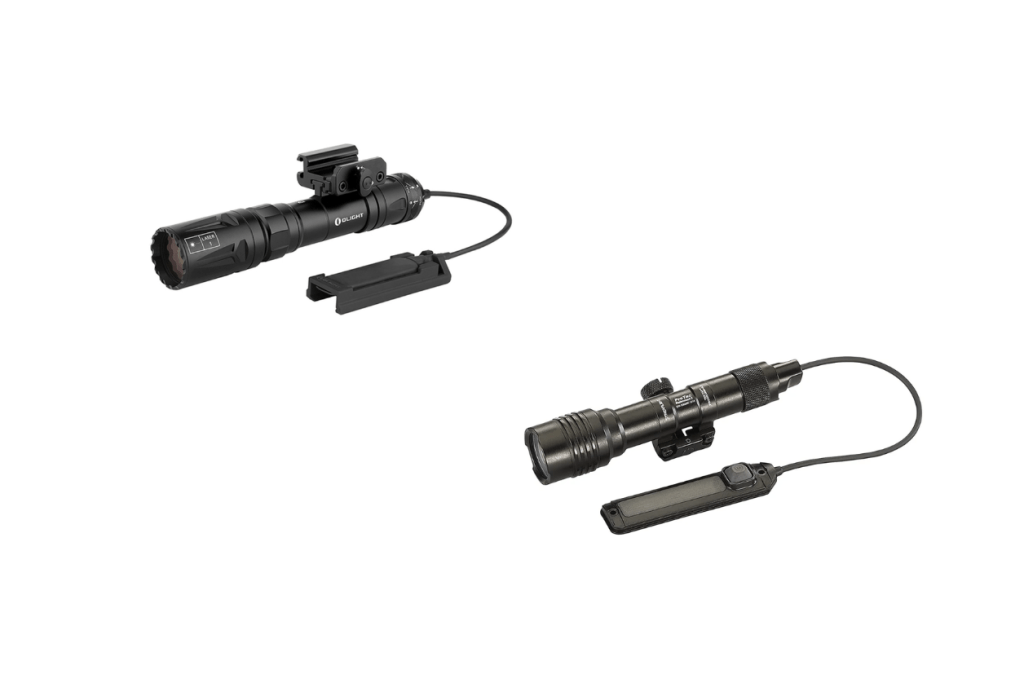
Optics and Attachments: Depending on your gun, you might want attachments like a red dot sight or scope, flashlight, or foregrip. A red dot can improve target acquisition for close to mid-range (and just looks cool on an M4). Scopes are useful only if you have a sniper or DMR that can actually shoot accurately at distance – otherwise a scope might be overkill. If you play CQB, a flashlight on your gun can disorient opponents in dark corners (just be mindful of rules about high-powered lights or lasers – in many places, lasers are banned on airsoft guns for safety). A foregrip or angled grip can help stabilize your aim and comfort. These accessories are nice-to-haves; prioritize them after you have the essentials sorted.
In summary, building your airsoft loadout is an ongoing process and part of the fun. Start with the core safety gear: reliable eye protection, face protection, and sturdy clothing. Then ensure you have the gear to carry your ammo and water into battle. Over time, you’ll refine what you carry – maybe you’ll add a radio for communication, or go lighter because you found you didn’t use half the stuff in your vest. Every player’s setup is a bit different. The key is to be safe, comfortable, and prepared. With the right gear, you’ll be able to focus on the game and not worry about a BB where it hurts or a missing magazine when you need it most.
(Pro Tip: Many airsoft fields offer rental gear packages for newcomers, often including a basic AEG, a mask, and sometimes a vest, for around $20-$40 for the day. If you’re brand new, renting is a great way to try the sport and get a feel for what gear you might want before buying your own.)
Gameplay Strategies and Team Tactics
Once you’re geared up and on the field, airsoft becomes a game of strategy and teamwork. Unlike paintball, which often centers on fast eliminations, airsoft games can range from quick skirmishes to elaborate objective-based missions spanning hours or days. Here we’ll cover some fundamental gameplay strategies, team tactics, and roles. We’ll also touch on the differing play styles of intense “speedsoft” versus milsim (military simulation) to give you a sense of the variety in airsoft.
Communication and Teamwork: Airsoft is fundamentally a team sport – even if a game’s goal is as simple as elimination, the side that works together will usually triumph over a bunch of lone wolves. Clear communication with your teammates is crucial. Before a game, it helps to quickly discuss a plan: who’s going left, who’s going right, any roles (like someone hanging back to snipe or someone carrying a riot shield if allowed), etc. During play, call out what you see: “Two enemies by the blue barrels!” or “I’m moving up to the wall, cover me!” This kind of chatter keeps everyone aware of the situation. Many teams use two-way radios with earpiece headsets, especially in larger fields or milsim events. If you have radios, establish a channel and keep comms concise. Even without electronics, you can use hand signals or simple shouts. The key is to avoid everyone acting individually without awareness. As one etiquette point, always coordinate and cooperate; if issues or confusion arise mid-game (say a teammate isn’t moving when you expected them to), resolve it calmly – remember you’re all there to have fun and work as a unit.
Basic Tactics – Movement and Cover: Real military tactics often translate well to airsoft, albeit in a lighthearted way. One foundational tactic is using covering fire and movement. If you and a buddy need to cross an open area under enemy watch, don’t both sprint at the same time. Instead, one lays down some suppressive fire (even if you’re not hitting anyone, you’re keeping heads down) while the other moves, then you switch. This leapfrogging “bounding overwatch” can get you across open ground more safely. Flanking is another key concept: instead of confronting an opponent head-on where they expect you, try to maneuver around the sides (flank them). A well-executed flank can catch the opposing team off-guard and collapse their position. If you’re defending, be mindful of your flanks – don’t get tunnel vision in one direction.
Always use cover (trees, walls, bunkers) to your advantage. Move from cover to cover, and when behind cover, practice pie-ing out to peek instead of fully exposing your body. Avoid the temptation to “blind fire” (sticking your gun out and shooting without looking); not only is this usually against the rules at fields, but it’s unsafe and ineffective since you can’t see what you’re hitting. Instead, do quick peeks or team up so one pops out while the other is ready.
Roles and Coordination: Depending on the game or scenario, teams may assign roles like rifleman, support gunner, sniper, etc. A rifleman is a standard role – engaging medium range, capturing objectives. A support gunner uses a high-capacity LMG (light machine gun) to put lots of BBs downrange and pin the enemy – they might carry a heavier gun and lots of ammo, moving less but covering the team’s advance. A designated marksman or sniper hangs back and picks off high-value targets; as noted earlier, sniper is an expert role requiring patience and shouldn’t be your first choice as a newbie. A breacher or point man might carry a shotgun or shorter gun to storm buildings first in CQB. These roles can make gameplay more immersive and effective if everyone sticks to what they’re supposed to do. Even if roles aren’t formally assigned, players naturally fall into these during a game. Knowing your strengths – are you a good shot? Fast runner? Good at sneaking? – can help you take on the appropriate task in a team. And always be willing to adapt; if your team’s sniper is out, maybe you need to try longer shots, etc.
Honesty and Sportsmanship: This isn’t exactly a tactic, but it’s worth reinforcing: always call your hits. Airsoft relies on the honor system – if a BB hits you (and doesn’t ricochet), you’re out, even if it’s a minor graze. Loudly shout “Hit!” and wave your hand or use a dead rag to signal it. Nothing sours a game faster than accusations of “cheating” by not taking hits. Similarly, don’t overshoot players who have signaled they’re hit (stop shooting once they indicate, and never intentionally shoot someone who’s obviously calling out or out of play). Good communication helps here too – if you hit someone and they don’t notice, you can shout “I got you (color of their gear)!” to let them know. Maintain trigger discipline and safety rules even in the heat of action. Teams that play honorably and respectfully have a much better time, and you’ll build a positive reputation in the community that way.
“Speedsoft” vs “Milsim” Styles: As you get deeper into airsoft, you’ll notice that there are different play styles on the field. Two often-discussed extremes are speedsoft and milsim.
- Milsim (Military Simulation) is all about realism and tactics. Milsim games are often long-duration, with objectives like capturing points, props like simulated bombs or intel to retrieve, and sometimes even vehicles. Players tend to wear full military loadouts (camouflage uniforms, plate carriers, maybe replicas of real unit kits), and they play with a command structure (squad leaders, etc.). Stealth, strategy, and teamwork are emphasized over raw speed. A milsim event might last an entire day or a full weekend with camping, and players treat it like a mock battle. Events organized by groups like MilSim West, MSATO, or Grimnir Tactical are known for their meticulous attention to detail and immersive scenariosadeptairsoft.wordpress.com. Participants may spend weeks preparing their gear and plan for these operationsadeptairsoft.com. The camaraderie and the feeling of “being in a real operation” is the reward. If you love organized, scenario-based play and the mil-life aesthetic, milsim is for you.
- Speedsoft is almost the opposite end of the spectrum. It’s a fast-paced, highly competitive style that’s more akin to a mix of paintball and esports. Speedsoft is usually played in small teams (3-5 players) on a small symmetrical field or arena, often indoors or a very small outdoor court, with inflatable or wooden bunkers. Rounds are very short (e.g. 3-5 minutes)adeptairsoft.com, and the goal is typically team elimination or capturing a flag very quickly. Players in speedsoft prioritize speed, aggression, and rate of fire over realismadeptairsoft.comadeptairsoft.com. You’ll see players in paintball-style jerseys or lightweight athletic clothing rather than camo, often with bright colors or personalized designs. They slide, dive, and snap-shoot very rapidly. Guns for speedsoft are tuned for extremely fast trigger response and high ROF (often HPA or highly upgraded AEGs), and they use large drum mags or mid-caps to avoid stopping to wind hi-capsadeptairsoft.comadeptairsoft.com. The playstyle is intense and can be a shock for those used to casual games – it’s “go go go” from the start, with volumes of BBs flying. There are even formal leagues such as SpeedQB that run speedsoft tournaments with international teamsadeptairsoft.com. Speedsoft is great if you enjoy competitive, adrenaline-fueled action and don’t care about simulation. But it’s not for everyone – some milsim-minded players look down on it, and vice versa, but both are valid ways to enjoy airsoft. Many players actually enjoy both, depending on their mood!
Most airsoft games at local fields will fall somewhere between those extremes – not full milsim, but not pure speedsoft tournament either. A typical weekend skirmish might have medium-length games (15-30 minutes) with simple objectives, a mix of casual players and serious ones. You might see some players in full military gear taking it very seriously and others in hoodies just rushing for fun. The beauty of airsoft is it can accommodate all these styles. When you join a game, try to gauge the vibe and play accordingly. If it’s more laid back, no need to overshoot or go “hard”; if it’s clearly competitive, step up your game and communicate more. Always follow the field rules and respect how the game is meant to be played that day. If it’s an objective game, work with your squad to accomplish it rather than team deathmatch mentality, and so on.
A few more tactical tips to wrap up this section: Use your ears – you can often hear opponents moving or talking, which is as important as seeing them. Shoot in short bursts to save ammo and improve accuracy (unless you need suppressive fire). If you’re pinned down, don’t be afraid to call for help or try something unexpected like a wide flank. And remember that sometimes accomplishing the objective (e.g. capturing the flag) is more important than just getting kills – don’t lose sight of the goal of the game. Lastly, whether you win or lose, go congratulate the other team after and maybe swap stories of that awesome kill or funny mishap; that’s how you make friends and become part of the community.
Legal Considerations and Airsoft Regulations
Airsoft occupies an interesting space legally: the guns are not real firearms, but they look extremely realistic and do shoot projectiles. Because of this, laws around airsoft vary widely around the world. It’s important to know the legal situation in your country (and even your local city/state) to ensure you’re in compliance – this can cover purchasing airsoft guns, transporting them, and using them in public. Below is an overview of legal considerations in various regions:
United States
In the United States, airsoft guns are not classified as firearms under federal law – they are considered recreational replicas (basically “BB devices”). This means there’s no federal license required to buy one, and people of any age can use them (though many stores voluntarily won’t sell to minors without parental consent)
en.wikipedia.org. However, U.S. federal regulations **require airsoft guns to have a bright orange tip (at least 6mm of the muzzle) on any gun imported or transported for sale
mirtactical.com. This orange tip is there to distinguish the replica from a real gun at a glance
mirtactical.com. It’s legal to remove the orange tip after purchase in most states, but it’s generally a bad idea unless you’re on private property or a field – you want that indicator when carrying the gun around to avoid alarming the public or police. Some states or cities have stricter rules: for example, a few municipalities (like parts of New York City, San Francisco, Chicago, Washington D.C. and others) have laws that essentially ban realistic toy guns or airsoft guns entirely. In those places, you cannot possess an airsoft replica that isn’t in bright colors. Also, while federal law doesn’t set an age limit, many states include airsoft (or BB guns) in their definition of firearms for the purpose of certain regulations. For instance, a state might prohibit discharge of any “air gun” within city limits, or require you to be 18+ to purchase one. Texas treats airsoft as “facsimile firearms” with no special restrictions, whereas Michigan requires airsoft to be sold with an orange tip and has some shipping rules. California mandates that any imitation firearm be in bright coloration or translucent unless it’s on a field, which is why many airsoft guns sold in CA have additional markings or tape. It’s a patchwork of laws, so always check your local regulations – a great resource is your local airsoft community or field, who will usually know the applicable rules. And absolutely, never brandish an airsoft gun in public spaces. If you need to transport your replicas, keep them in a gun bag or container, in your trunk if possible. Cases of police tragic mistakes have occurred when someone waved an airsoft gun around in public thinking it was harmless. Treat it with the caution you would a real firearm in terms of public exposure.
United Kingdom
In the UK, airsoft laws are relatively strict but with a clear structure. Realistic-looking airsoft guns are considered “Realistic Imitation Firearms (RIFs)” and were heavily restricted by the Violent Crime Reduction Act 2006 (VCRA). To purchase or import a realistic-looking airsoft gun (RIF) in the UK, you must have a specific defense in law – the most common being that you are a registered airsoft skirmisher. This is typically proven by being on the UKARA (United Kingdom Airsoft Retailers Association) database. To get on UKARA, you must be over 18 and have attended a certain number of airsoft games (usually at least 3 games over at least 8 weeks) at a insured airsoft site, which then vouches for you. Once you’re registered, retailers can sell you RIFs. If you’re not registered, you can still own an airsoft gun, but it must be sold to you in a non-realistic coloration – commonly called “two-tone” – meaning at least 51% of the gun is bright colored (like blue, green, orange) so it’s clearly not a real firearm. This allows newcomers to get an airsoft gun; once you’ve played enough to register, you can repaint it or buy a realistic one. It is illegal for anyone under 18 to purchase an airsoft gun in the UK, period (though an adult can gift one to a minor). The UK also has power limits defined in law: an airsoft gun that fires below a certain muzzle energy is not considered a firearm. As of 2017, the defined limits are 1.3 joules for full-auto capable guns and 2.5 joules for single-shot (semi or bolt) guns. Anything above that and it’s no longer legally an airsoft gun, but a firearm (potentially an Section 5 prohibited weapon if it’s an automatic above that power). Most UK skirmish sites set their field limits around 350 fps (1.14 J) for full-auto, 500 fps (2.3 J) for bolt-action to stay well within the law. Transportation of airsoft guns in the UK should be done in a bag or case. Don’t carry it in public, as armed police response is a real risk – treat it as you would a real gun in terms of discretion.
Europe and Other Countries
Laws across Europe vary by country but often follow a common theme: 18+ to buy/own, and some muzzle energy limit. For example, Germany classifies airsoft guns above 0.5 J as firearms (air rifles) which means you must be 18+ to own them and crucially, they cannot be capable of full-auto fire. Airsoft guns in Germany over 0.5 J are required to have an “F-in-a-pentagon” marking to show they are legal and tested, and by law they must be semi-automatic only. Fully automatic airsoft guns are only allowed if they shoot under 0.5 J (which is very low power). So many German airsofters either use <0.5 J guns for full-auto or use semi-locked guns for higher power. France has a limit of 2 J for airsoft and an age minimum (18). Italy generally limits at 1 J. Spain requires registration of airsoft guns with the local authorities as replicas. Netherlands and Belgium allow airsoft but you must be in a registered airsoft club (similar to UK). Switzerland treats >0.5 J as weapons and forbids sale to under 18. Sweden recently updated laws requiring a license for anything over a very low energy (though enforcement is a bit unclear). It’s a mixed bag, so if you move or travel internationally with airsoft gear, always check the destination country’s laws.
In much of Asia outside Japan: Hong Kong and Taiwan have thriving airsoft scenes with moderate regulation (Hong Kong has a 2 J limit, 18+ age; Taiwan similar). Japan – where it all started – has one of the strictest power limits: about 0.98 J max (with 6mm BBs). This is why Japanese guns (like Tokyo Marui) shoot around ~300 fps out of the box. Japan also restricts airsoft to adults for the most part, and they have a clever testing standard involving whether a gun can be converted to fire real ammo (which none of ours can). Australia is known for being quite unfriendly to airsoft – in fact, in many Australian states airsoft is banned outright (they consider them firearms and generally do not allow them). This is why Australia has seen the rise of “gel blasters” as an alternative, since gel blasters are treated differently legally. New Zealand currently allows airsoft with some restrictions (18+ or with adult supervision, and you need to not carry in public, etc., recently there was talk of changes). Canada historically had complicated import laws where airsoft guns had to be within a certain FPS range to not be considered either a replica or a firearm; essentially guns between ~366 fps and 500 fps with a 0.20g BB were allowed. Below that were “replicas” (forbidden to import) and above that were firearms (require license). This caused confusion, but effectively airsoft is legal in Canada for adults, just with those import velocity thresholds. However, Canada in 2022 proposed Bill C-21 which, if passed, could have severely restricted airsoft by broadening the definition of replica firearms – this created a lot of advocacy by the community. (As of time of writing, the bill’s most harmful sections to airsoft were paused or amended after community pushback, but it’s something Canadian players remain vigilant about.)
TL;DR Legal Tips: Always use an orange tip or other marking when required. Never display or use airsoft guns outside of sanctioned games or private property – especially never take one into a public space like a street or park, even as a joke. Treat any airsoft gun publicly as if it were real: keep it cased during transport. Be aware of age limits; most places require you to be 18 to purchase. If you’re under 18 and want to play, get a parent involved – fields usually require a parent-signed waiver and many will rent you equipment. Check local laws regarding power (FPS/Joule limits) – field rules will often be a good indicator of what’s allowed. And if traveling internationally, do your homework: some countries will confiscate your airsoft guns at customs if they’re not legal there, and it’s not worth the risk.
Maintenance and Care for Airsoft Guns and Equipment
Your airsoft guns and gear represent a significant investment, so taking care of them will ensure they perform well and last a long time. Different types of guns have different maintenance needs, but here are general guidelines and tips for keeping your equipment in top shape:
1. Cleaning the Barrel: The inner barrels of airsoft guns can get dirty with BB residue, dust, and debris over time. A dirty barrel can cause BBs to fly inaccurately or drop in range. It’s good practice to clean your barrel after every day of play or anytime you notice your accuracy dropping. Use the cleaning rod that likely came with your gun, with a small piece of soft cloth on the tip (an old t-shirt or microfiber cut into a strip works). Apply a bit of silicone oil or pure silicone spray to the cloth – do NOT use petroleum-based oils as they can damage hop-up rubber. Gently rod the barrel from the hop-up end (if possible) or muzzle end, and push out the dirt. You’ll be surprised how much plastic dust can come out. This cleans out the plastic flakes and dirt, and a thin coat of silicone can help prevent rust in metal barrels. Just remember to fire a few shots after cleaning (with no BBs loaded) to blow out any excess oil so it doesn’t affect your hop-up.
2. Exterior Care: Wipe down the externals of your guns after use, especially metal parts, with a dry or slightly oiled rag. This removes sweat, moisture, and dirt that could cause rust or corrosion on metal parts. For metal bodied guns, a light coat of silicone oil can prevent rust – but don’t get sloppy, you don’t want oil on your handgrip or optics. For gear like vests and clothing, simply shaking out dirt and occasional washing (for uniforms) is fine. After a muddy game, definitely clean and dry everything – don’t leave gear wet or dirty in storage.
3. Lubrication of Moving Parts: Airsoft guns have moving components that benefit from lubrication. In gas blowback guns, this is critical. You should periodically field strip your GBB pistol or rifle (remove the slide or bolt) and apply silicone oil or a bit of light silicone grease to the slide rails, the outer barrel, the hop-up rubber (just a tiny bit to keep it supple), and the magazine’s O-ring seals. This keeps the action smooth and the seals from drying out. For AEGs, you don’t need to open the gearbox unless you’re experienced (that’s a more advanced task involving gears, shims, springs – if you’re not comfortable, leave it or get a tech). But you can spray a little silicone oil into the feed tube or hop-up and shoot it through to lubricate the hop-up bucking. Never use WD-40 or other petroleum oils inside your airsoft gun – always 100% silicone-based lubricants are safest for plastics and rubber. If your AEG starts sounding screechy or has a high-pitched gear noise, it might need a re-grease or motor adjustment – that’s a time to consult a tech or tutorial. Spring sniper rifles should have their bolt/cylinder greased occasionally for smooth pull. HPA systems are low-maintenance but do check your hoses and fittings for leaks, and keep dirt out of your regulator.
4. Magazines Maintenance: Don’t forget your mags! For GBB magazines, a common issue is leaking gas. To prevent this, keep a bit of gas in your mags when storing them (just a little, so the seals stay expanded). And occasionally lubricate the fill valve and release valve O-rings with a drop of silicone oil. If a mag is leaking, you might need to open it up and re-oil or even replace O-rings. AEG magazines are simpler – just don’t drop them on hard surfaces too much. If a hi-cap mag (the kind you wind) starts jamming, you can spray a Teflon dry lube inside or just replace it (they’re relatively cheap). After games, unload your magazines; don’t leave BBs in them for long periods as it can weaken springs (especially mid-caps).
5. Battery Care: Batteries are the lifeblood of AEGs. For NiMH batteries, simply charge them before play (they don’t need full discharge every time like old NiCd batteries). Store them in a cool, dry place. For LiPo batteries, follow LiPo safety: use a balance charger, do not over-charge (12.6v max for a 11.1v pack, 8.4v for a 7.4v), and do not over-discharge (stop using the battery if you notice a slow fire or the sound changes – that means it’s low). Many AEGs with MOSFETs have low-voltage cutoff for LiPos, but if not, get an alarm or just swap batteries when in doubt. Store LiPos at storage voltage if not using for a long time (around 3.8v per cell). Always inspect for puffing – if a LiPo battery looks swollen, dispose of it safely; don’t use it. And never short the battery wires. Basically, treat batteries with respect to avoid fires or damage.
6. Regular Check-ups: Before each game day, it’s good to do a once-over of your gun. Check that screws and bolts are not coming loose (vibrations can loosen things – a dab of threadlocker on non-critical screws can help, but obviously not on ones you’ll need to remove frequently). Common ones: the screws holding your pistol grip on (for M4 AEGs) can loosen, or the stock bolt. Make sure your hop-up isn’t loose. Check that your red dot sight or any attachments are tightly secured so they don’t rattle off. For gear, make sure buckles aren’t cracked and your goggles don’t have scratches that impede vision (replace lenses if they’re really bad).
7. Storage: Store your airsoft guns in a cool, dry place. After playing, if any of your guns got wet, dry them thoroughly (strip down and wipe, if rain got inside a gearbox that’s a problem – try to avoid playing in heavy rain unless your gear is prepared for it). It’s wise to decompress springs for storage: for AEGs, after you’re done playing, you can fire a few shots in semi-auto to ensure the spring is not left compressed (AEG gearboxes can sometimes stop with the spring compressed; firing in semi forces it to complete a cycle and rest). Some guns have a release or detect this. For spring sniper rifles, don’t leave them cocked. For GBB magazines, as mentioned, leave a little gas. Ensure no BBs are left loaded in chambers or mags (dry fire the gun a couple times, in a safe direction, to clear any in the hop-up).
8. Know When to Tech or Ask for Help: Some maintenance is easy (barrel cleaning, lubing slides), but others are more complex (gearbox internals, HPA engine tuning). If your gun is making weird noises, or your shots suddenly drop off dramatically and you can’t fix it via hop-up adjustment or basic cleaning, it might be time to consult a knowledgeable friend or a professional airsoft technician. Most communities have someone who’s good with AEG gearboxes or a shop that repairs guns. It might cost a bit, but it’s better than causing more damage by forcing something. That said, learning to tech airsoft guns is a rewarding part of the hobby for many. Plenty of guides and videos exist if you want to learn to shim gears, adjust motor height, change hop-up buckings, etc. Just maybe don’t learn on your only primary right before a big game – practice on a spare if possible!
Maintenance of Gear: Aside from guns, maintain your safety gear. Anti-fog coating on goggles can wear off – reapply or use anti-fog wipes/sprays as needed. Wash your goggles with water (no harsh chemicals on the anti-fog coatings). Check that your mask straps are not tearing. Wash your cloth gear (uniforms, face wraps, gloves) occasionally to keep them from smelling and to prevent mold (especially if they get sweaty and thrown in a bag). Simple stuff like that ensures everything is fresh for next game.
By following these maintenance tips, your replicas will shoot accurately and reliably each time you hit the field. There’s a satisfaction in having a well-tuned, clean weapon – and you’ll notice the difference in performance. Plus, taking care of your gear is part of respecting the hobby. A well-maintained airsoft gun not only lasts longer but also retains its value should you decide to trade or sell it later. Make post-game cleaning a habit, and it will pay off in the longevity of your arsenal.
Airsoft Terminology and Common Phrases
Airsoft, like any specialized activity, has its own lingo. If you’re new, you might hear people at the field tossing around acronyms and terms that sound like gibberish. Here’s a handy glossary of some common airsoft terminology and phrases to get you up to speed:
- AEG: Automatic Electric Gun, the most common type of airsoft gun which uses a battery-powered gearbox to shoot. Example: “I run an AEG M4 with a LiPo battery.”
- GBB / GBBR: Gas Blowback / Gas Blowback Rifle. Refers to gas-powered guns that have blowback action (the slide or bolt moves with each shot). Commonly used for pistols and some rifles. Example: “I love my GBB pistol, it’s so realistic.”
- HPA: High-Pressure Air, a system where the gun is powered by compressed air from a tank via a hose. Example: “That player’s running an HPA setup – see the air line to his gun.”
- FPS: Feet Per Second, the measurement of a BB’s velocity. This is how power is usually measured in the US. Example: “The field limit is 400 FPS with a 0.20g BB for rifles.” Higher FPS means a gun shoots harder/farther, but most fields have limits for safety.
- Joules: A unit of energy. Some places (and all serious discussions) use Joules to measure a gun’s energy, since FPS can be misleading if different BB weights are used. Example: “UK limit is 1.3 Joules for full auto.”
- Hop-Up: A device in the gun (usually an adjustable rubber piece in the barrel) that puts backspin on the BB, dramatically increasing range by creating lift. “Hopping up” a BB gives it a flatter trajectory. Example: “My shots were falling short, but a slight turn of the hop-up dial fixed it.”
- High-cap / Mid-cap / Real-cap: Types of magazines. High-capacity mags have a wheel you wind and can hold lots of BBs (usually 300+). Mid-capacity mags have no winding, use just spring pressure, and typically hold 80-150 BBs. Real-cap means real capacity, like 30 rounds, to mimic real firearms. Example: “I prefer mid-caps for the realism and no rattle, even though I have to reload more.”
- Crono / Chronograph: The device that measures the FPS of your gun. You “chrono” your gun at the start of the day to ensure it’s within field limits. Example: “Let’s chrono your rifle, it seems hot.”
- ROF: Rate of Fire, how many BBs per second (or minute) your gun shoots in full-auto. Example: “With that high-torque motor and 11.1v battery, his AEG has an insane ROF of 25 RPS (rounds per second).”
- Semi / Full-Auto / Burst: Firing modes. Semi-automatic means one shot per trigger pull. Full-auto keeps firing as long as trigger is depressed. Burst means the gun fires a set burst (like 3-round burst) per trigger pull (some electronic trigger units allow programming this).
- DMR: Designated Marksman Rifle. In airsoft, this usually means a semi-auto rifle that’s allowed a higher FPS than other rifles (because it can’t full-auto) to fill a role between standard rifleman and bolt sniper. Often something like an M14 or SR-25 used in semi with a scope. Example: “He’s running a DMR at 450 FPS, so he has a 50ft MED.” (See MED next!)
- MED: Minimum Engagement Distance. Fields impose this for high-power guns: if your gun shoots above a certain FPS, you can’t shoot someone closer than a certain distance for safety. Example: “Bolts at 500 FPS have a 100-foot MED here, carry a sidearm for close shots.”
- CQB: Close-Quarter Battle. Refers to indoor or tight field play. Also usually implies lower FPS limits (since you’re close) like 300 FPS. Example: “This pistol is great for CQB fights in buildings.”
- Flank: To attack from the side. We mentioned it in tactics; it’s common to say “I’ll flank left while you suppress.”.
- Spawn / Respawn: Starting point where players come into the game (or re-enter after being hit if the game mode allows respawning). Example: “They’re spawn camping us” (meaning shooting at you right as you respawn, which is usually against rules).
- Hit! / Out: What you yell when you’ve been hit. Example: “I got hit, I’m out – going back to respawn.”
- Dead Rag / Dead Light: A bright red rag or a red blinking light dead players use to signify they are out. Example: “Put your dead rag on so they stop shooting you.”
- Blind Fire: Shooting without looking (like sticking your gun around a corner and firing). It’s generally not allowed. Example: “Don’t blind fire – you must see what you’re shooting at.”
- Bang-Bang or Safety Kill: A rule some fields use where if you’re within a very close distance (say 10 feet) of a player and have the drop on them, you can say “Bang Bang!” instead of actually shooting, to eliminate them safely. Not all fields use this, but if they do, honor it and don’t abuse it. Example: “I crept up right behind him and gave a bang-kill instead of shooting from 5 feet away.”
- Camping: Staying in one spot, usually hidden, waiting for enemies (like a sniper or someone guarding an objective). Sometimes used derogatorily for someone who doesn’t move at all. Example: “There’s someone camping in that building window.”
- Overshooting: Hitting a player with excessive BBs even after they’re hit. A big no-no. Example: “I already called hit but he kept shooting – that was overshooting and I’ll let the ref know.”
- Freeze! (or Surrender call): In some games, instead of bang-bang, a player may yell “Freeze!” or ask for surrender when very close to someone. If someone yells this at you from a couple feet behind you, it’s polite to just call yourself out – they spared you some pain.
- RIF / IF: In the UK, Realistic Imitation Firearm vs Imitation Firearm (two-tone). RIF means a realistic colored airsoft gun, IF means one with neon colors. Example: “I can finally get a RIF once I have my UKARA registration, I’m tired of my blue two-tone M4.”
- FPS Drop ( joule creep): Advanced term – if you use heavier BBs, the FPS number drops but the energy might stay the same or even rise in some guns (like gas or HPA). This is called joule creep. Fields might chrono with .20g but then if you use .30g you might actually hit harder. It’s technical, but as a responsible player, adhere to energy limits, not just FPS with a specific weight, if the field is wise to joule creep.
These are just some common ones. Spend a bit of time on forums or with other players and you’ll pick up more jargon like “cranestock battery,” “Gearbox Version2/3,” “shim, AoE, short stroke, DSG” (deep tech upgrade terms), “knife kill” (touching someone with a training knife for a silent elimination), etc. Don’t be intimidated – the community is usually eager to explain if you ask, and half the fun is learning this “secret language” of airsoft. Soon you’ll be flexing your knowledge: “My AEG has an ETU so I set a 3-round burst, but I might HPA engine it because I want that trigger response for when I play SpeedQB.” – sounds like gibberish now, but give it time!
Community, Events, and the Culture of Airsoft
One of the greatest aspects of airsoft is the community that comes with it. When you join airsoft, you’re joining a worldwide network of enthusiasts who share a passion for the sport. Whether it’s the local weekend warriors at your nearest field, online discussion groups dissecting the latest gear, or large-scale events that gather players by the hundreds – the social side of airsoft is huge. Let’s talk about how you can get involved, what events and sub-communities exist, and the overall culture that binds airsofters together.
Local Communities and Teams: Most players start by finding a local field or club. Showing up for open play games is a great way to meet people. You’ll quickly notice that airsofters are generally friendly and eager to help newcomers. Don’t be shy – introduce yourself, ask questions, and you might be surprised how welcoming folks can be. Many areas have unofficial communities on Facebook groups, forums, or Discord servers where players chat, trade gear, and plan meetups. For example, in the New England region of the US, there are vibrant communities on Facebook for Massachusetts or Rhode Island airsofters, and even specialty groups like a GBBR (Gas BlowBack Rifle) Discord for those who fancy gas rifles. Seeking out these communities online can connect you with more experienced players in your area.
As you play more, you might end up joining or forming an airsoft team. Teams are groups of players who regularly play together, often with a shared identity (cool team names and patches abound). Some teams are just buddies for local skirmishes, while others train and travel to compete or attend big events. Team dynamics can range from milsim-style squads that practice tactics to loose groups of friends who enjoy a shared patch. The camaraderie on airsoft teams is often strong – after all, you’re going through simulated “combat” together which builds bonds. Teams also often strategize and develop their own tactics. As noted on AdeptAirsoft, teams like the Green Mountain Boys or Valkyrie Directive exemplify the commitment and unique flair teams bring, sometimes even planning weeks ahead for a single operation so every member knows their role. Being on a team adds a layer of satisfaction: you’re not just a lone player, you’re part of a unit with a common goal and identity. That said, being on a team is optional – plenty of people enjoy airsoft for years as solo players who just join whatever side needs people each game.
Milsim Events: We touched on milsim in the tactics section, but from a community perspective, milsim events are a cultural experience. These events, like those run by Milsim West, AMS (American Milsim), Lion Claws, NSTC, or region-specific organizers like Stag Ops or Grimnir in the US, or NAF (National Airsoft Festival) in the UK, or Berget in Europe, gather anywhere from dozens to hundreds of players. They often divide into two big teams (factions) with command structures. People will often travel interstate or even internationally to attend a renowned milsim. The vibe is like a mix of a paintball big game, a camping trip, and a military reenactment all in one. You’ll see impressive scenarios: uniform requirements so teams can identify each other (e.g. one team in tan/Multicam, the other in green/woodland), simulated vehicles like trucks or even tanks, pyrotechnics for artillery simulators (if allowed), and detailed missions that might involve props (downed pilot, missiles to launch, etc.). It’s part airsoft, part LARP (live-action role play) since players might take on roles like “platoon leader” or even “Civilians” in some story-driven events. The community at these events is often very tight-knit and welcoming to newcomers who want that full immersion. Just be prepared: milsims can be physically demanding and require you to be self-sufficient (bring food, water, etc. if it’s a 24-hour game). But the payoff is a war-story experience you’ll reminisce about for years. You’ll likely make friends from across the country. The culture emphasizes honor, endurance, and often respects military simulation to the point that real veterans find a place to enjoy tactics without real danger.
Competitive Airsoft and Speedsoft: On the other end, there’s a growing culture of competitive airsoft. SpeedQB, as mentioned, is a formalized competitive league with rules, referees, and tournaments. Teams train for these much like paintball teams do – running drills, perfecting breakouts from the start gate, and honing fast communication. This sub-community has its own style: custom flashy uniforms, tuned HPA guns, and a focus on athletic skill. There are even international tournaments, and some teams get sponsorships. If you’re competitive by nature, this side of airsoft might appeal to you. It’s almost like an airsoft eSport, with skills analogous to first-person shooter video games but in real life. You’ll find content creators on YouTube or Instagram showing off crazy speedsoft plays and tricked-out guns. The community here shares tech tips for maximizing performance and loves to discuss rules and strategies from recent tourneys.
Online Community and Content: Airsoft has a massive online presence. Websites like Airsoft Reddit (r/airsoft) bring together tens of thousands of players globally to share loadout photos, ask for advice, or show gameplay videos. There are dedicated forums (like Airsoft Society, ArniesAirsoft, etc.) and countless YouTube channels. Some YouTubers have become famous in the airsoft world – for instance, names like Novritsch, Jet DesertFox, Alfonse, Silo Entertainment – these creators gather huge followings by posting gameplay footage, often from a first-person perspective with action cameras, or reviews and how-tos. They’ve contributed to bringing new players into the hobby who discover airsoft through entertaining videos. The culture online is generally positive, though like any community, there are debates (Hi-Capa vs Glock? Best budget gun? Milsim vs Speedsoft rants – you name it). Engaging with online communities can enhance your airsoft life: you pick up tips, can find local groups, and stay updated on new gear and events.
Etiquette and Sportsmanship: Culturally, airsofters put a big emphasis on honor and sportsmanship. Cheating (not calling hits) is universally despised and will get you shunned. Good players pride themselves on calling even the faintest hit. There’s a sense of mutual respect – after all, everyone is accepting welts and spending money to have this mock battle, so we respect each other’s investment and safety. A lot of fields do an end-of-day shout-out or handshake line. It’s common to hear players compliment each other: “Man, you got me good at that bunker – nice shot!” The community also tends to be self-policing; if someone’s behavior is out of line, senior players or refs will step in to address it. The honor system is what makes airsoft possible, so most players uphold it strongly.
Inclusivity and Demographics: Airsoft is enjoyed by people of various ages and backgrounds. Most fields have players ranging from teens (usually 13-14 is a common minimum age with guardian present) up to players in their 50s or 60s. There is a stereotype that it’s mostly males, and while it is male-dominated, there are plenty of female airsofters and the community is increasingly encouraging of that (some fields hold ladies’ days or there are all-female teams, etc.). Regardless of gender, new players might feel intimidated walking in – but trust that after the first round, someone will likely come over to give you a pointer or congrats on a kill. Many communities take newcomers under their wing because they want the hobby to grow. You’ll also encounter players from different professions – students, engineers, military servicemen/women, etc. On the field and forums, that all falls away and everyone’s just an airsofter sharing a hobby.
Events and MilSim Lite: Besides hardcore milsim, there are also “milsim-lite” or narrative events. Things like Zombie-themed games (where some players start infected and the infection spreads), Post-apocalyptic or sci-fi themed events where people dress up as Fallout or Mandalorians, etc. Airsoft conventions or fairs also happen, where vendors show off new products, and maybe there’s an indoor tournament. Keep an eye out for local event announcements; they add variety beyond the typical elimination game every weekend.
Sharing the Culture: Airsoft culture also involves a lot of gear talk and collection. Don’t be surprised if you end up with multiple guns – one day you wanted a sniper rifle, another day a WWII replica for a themed game, another day a new custom HPA beast. Collecting and customizing guns is a hobby in itself within airsoft. People 3D print parts, do DIY mods, and share those creations online. The community celebrates cool builds and unique kits.
Finally, the culture is one of continuous learning and passion. Many players are extremely passionate – they will talk your ear off about a particular war they re-enact, or the technical details of a gearbox, or a story from an event that was hilarious or intense. It’s infectious. Airsoft can be a casual once-in-a-while thing for some, but for many it becomes a core hobby that leads to lasting friendships. There are even instances of airsoft leading to real opportunities – e.g., some stunt people or actors started in airsoft, or military folks say it kept them sharp. But for most, it’s simply about that rush of being in a mock gunfight, the joy of teamwork, and the satisfaction of hitting a target at range – and then laughing about it with your opponent afterward.
Joining In: So how do you dive in to the community? Aside from playing, consider joining forums or local social media groups. Contribute, ask questions, maybe attend a big event once you have some experience. If you have knowledge, help newbies when you can. Airsoft’s future depends on positive community vibes; veteran players mentoring new players keeps it alive and well. Some areas even have programs or scenarios to integrate new players gently. Volunteering at events or at your local field (like as a referee or helping in the shop) can also deepen your involvement.
In short, the culture of airsoft is rich and welcoming. From the weekend skirmisher to the hardcore milsim junkie, from the speedsoft athlete to the cosplay-esque role-player, we’re all part of the airsoft family. It’s a culture where a shared love of military simulation and action unites people across ages and walks of life. The experiences you gain – the intense firefights, the funny mishaps (like that time a squirrel stole your dead rag), the road trips with buddies to events, the post-game BBQs – all of these build a camaraderie that often extends off the field. Many airsofters hang out outside of games, play video games together, etc. When you commit to airsoft as a hobby, you’re gaining more than just a game to play; you’re gaining a community.
Whether you’re just starting out or have been playing for years, airsoft offers an unparalleled mix of adrenaline, strategy, and fellowship. Hopefully this in-depth guide has given you insights into every facet of the hobby – from its history and gear to gameplay and community. Now the next step is yours: get out to the field, put on those goggles, shake hands with your teammates and opponents, and yell “Game on!” The airsoft world is waiting – welcome to the fight!
Happy airsofting and see you on the field!



 Adept Airsoft