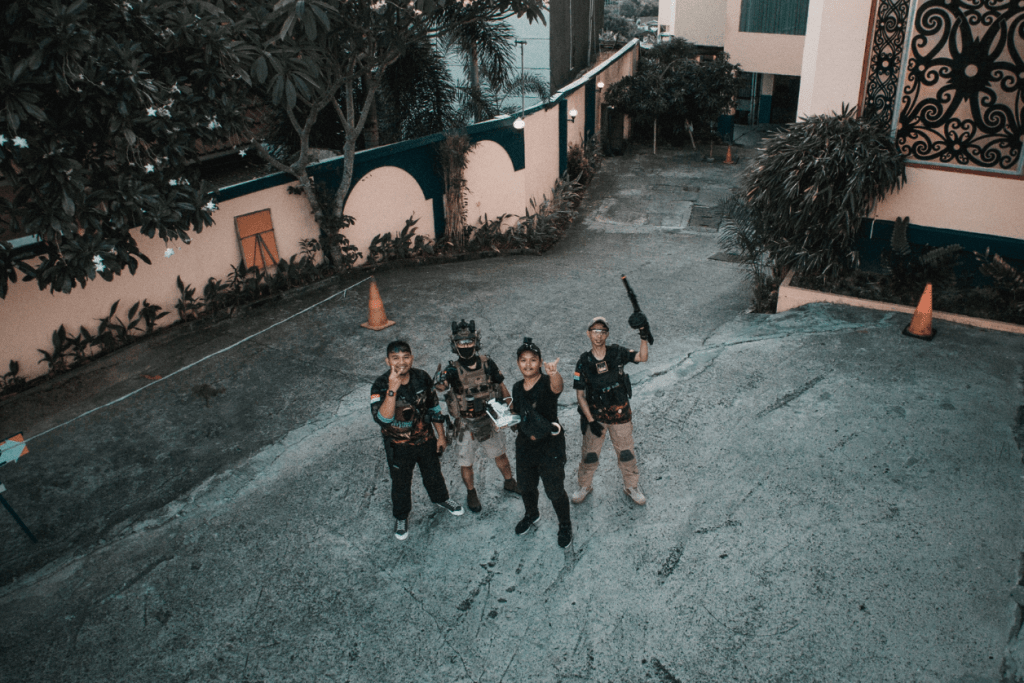
Airsoft is a recreational activity and competitive team sport that uses replica firearms to shoot small, lightweight plastic BBs. These replicas are often designed to closely resemble real firearms, creating an exciting, adrenaline-fueled experience for participants. Although the game resembles paintball, airsoft always uses 6 mm plastic BBs that typically travel at higher speeds, making the use of proper protective gear especially important.
Age Recommendations
Age policies for airsoft fields can vary. Some venues allow participants as young as 10 or 12 (usually under close adult supervision), while others require players to be at least 14 or 16. Beyond age alone, a child’s maturity level and ability to follow rules are the most critical factors. Kids who can respect boundaries, act responsibly, and adhere to safety guidelines are more likely to have an enjoyable and secure experience.
Safety Considerations
Protective gear—particularly full-seal eye protection or a full-face mask—is essential. Airsoft BBs can cause injury if they strike unprotected areas, especially the eyes. Clothing that covers arms and legs can reduce discomfort from impacts. Supervision by a responsible adult is crucial for younger players to ensure that rules are followed, disputes are resolved quickly, and the environment remains respectful. Airsoft guns should be transported and stored correctly to avoid accidents or misunderstandings. Always use a barrel bag and transport your replica AEG in a case or bag.
Physical and Emotional Readiness
Airsoft requires physical activity that may include running, crouching, and quick decision-making. Children should be comfortable with these demands to get the most out of the game. Emotionally, some may find the military-style realism exciting, while others might feel uneasy about the concept of shooting—even with plastic BBs. If a child is anxious or overwhelmed by competitive environments, it may be better to explore less intense activities first.
Potential Benefits for Kids
Airsoft can foster teamwork and communication skills by encouraging players to coordinate strategies and roles. It also offers physical exercise in an engaging setting that can build stamina and agility. Because safety is paramount, children who play airsoft learn to treat replica firearms responsibly and gain a healthy respect for real gun safety. Outdoor gameplay provides a chance to socialize in person, promote problem-solving, and enjoy a break from screen time.
Tips for Parents
- Research local airsoft fields, their safety rules, and age policies.
- Visit or contact these fields to see firsthand how they run games and enforce safety.
- Provide your child with high-quality eye or face protection and proper clothing.
- Emphasize the importance of fair play, calling hits honestly, and respecting fellow players.
- Consider slower-paced games or lower-velocity fields for beginners to help them adjust.
Making the Decision
Deciding whether airsoft is appropriate for your child depends on their level of maturity, comfort with fast-paced team sports, and respect for safety rules. With responsible supervision, clear boundaries, and proper protective gear, airsoft can be a thrilling, team-building activity that encourages discipline, problem-solving, and outdoor engagement.



 Adept Airsoft