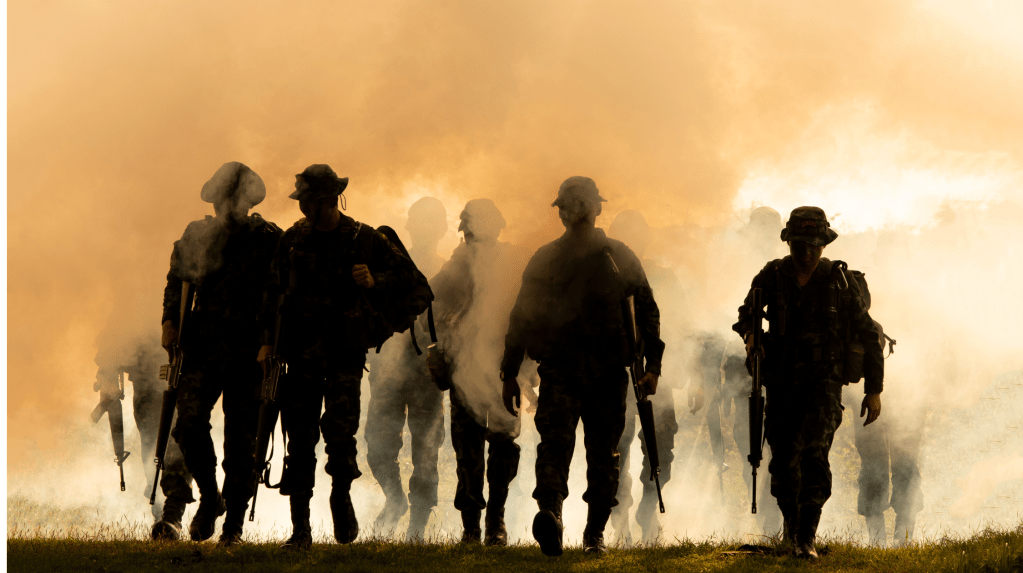
In the adrenaline-fueled world of airsoft, communication is not just a tool; it is the backbone of strategy, teamwork, and ultimately, victory. The dynamic and fast-paced nature of airsoft battles demands constant and efficient communication among team members to adapt to rapidly changing situations, identify enemy positions, and coordinate movements. This article delves into the essential aspects of communication in airsoft, emphasizing the universally respected rule that “dead men don’t talk,” the use of radios for silent communication, and the effectiveness of shouting for immediate, broad communication.
Understanding the Rule: “Dead Men Don’t Talk”
A fundamental and widely accepted principle in airsoft is that “dead men don’t talk.” This rule underlines the importance of realism and fairness in gameplay. Once a player is hit and declared “out,” they must cease all forms of communication with their teammates. This simulates real-life combat scenarios where fallen soldiers cannot contribute to their team’s efforts. Communicating with teammates after being hit not only breaks the immersion of the game but is also considered poor sportsmanship and, in many cases, is explicitly against the rules.
This restriction encourages players to communicate effectively while they are “alive” in the game. It places a premium on strategic positioning and timely information sharing before being hit. This rule also adds a layer of challenge and realism to the game, as teams must quickly adapt to the loss of communication with “fallen” teammates, further emphasizing the value of each player’s contributions during their “alive” moments.
Radios: The Silent Communicators
To navigate the challenge of maintaining silence in critical moments, many airsoft teams rely on radios for communication. Radios allow for discreet, immediate sharing of information without alerting the enemy to plans or positions. This method of communication is particularly useful in large fields or complex environments where visual contact with teammates is not always possible.
The strategic use of radios can significantly enhance a team’s operational efficiency, allowing for the coordination of movements, ambushes, and strategic retreats without giving away their position through loud verbal communications. Proper radio etiquette and codes are often developed among teams to ensure clear and concise communication.
Shouting: The Art of Loud and Clear
Despite the utility of radios, shouting remains a perfectly acceptable and sometimes necessary means of communication in airsoft. When immediate awareness is crucial, shouting out enemy locations, status updates, or changes in strategy can be the fastest way to inform and rally teammates.
Shouting is particularly useful in close-quarters combat or when a rapid response is required from multiple team members. It allows players to relay critical information without the need for everyone to have access to a radio. The practice of calling out commands, enemy positions, and objectives ensures that all team members are aware of the game’s dynamics and can respond accordingly.
However, it’s vital to remember that any communication, including shouting, must be done while a player is “alive.” Once hit and awaiting respawn, players must refrain from providing their teammates with any information that could affect gameplay. This restraint ensures fair play and keeps the game challenging and enjoyable for everyone involved.
Airsoft Communication: Essential to Teamwork
Effective communication in airsoft is as crucial as any tactical skill or physical ability. It enhances team coordination, strategic planning, and situational awareness. By respecting the rule that “dead men don’t talk,” utilizing radios for silent communication, and shouting when necessary, players can create a dynamic and immersive experience that rewards teamwork, strategy, and fair play. In the end, the teams that communicate most effectively are often the ones that find themselves victorious, embodying the spirit of unity and coordination that makes airsoft not just a game, but a sport built on the foundation of mutual respect and camaraderie.



 Adept Airsoft